

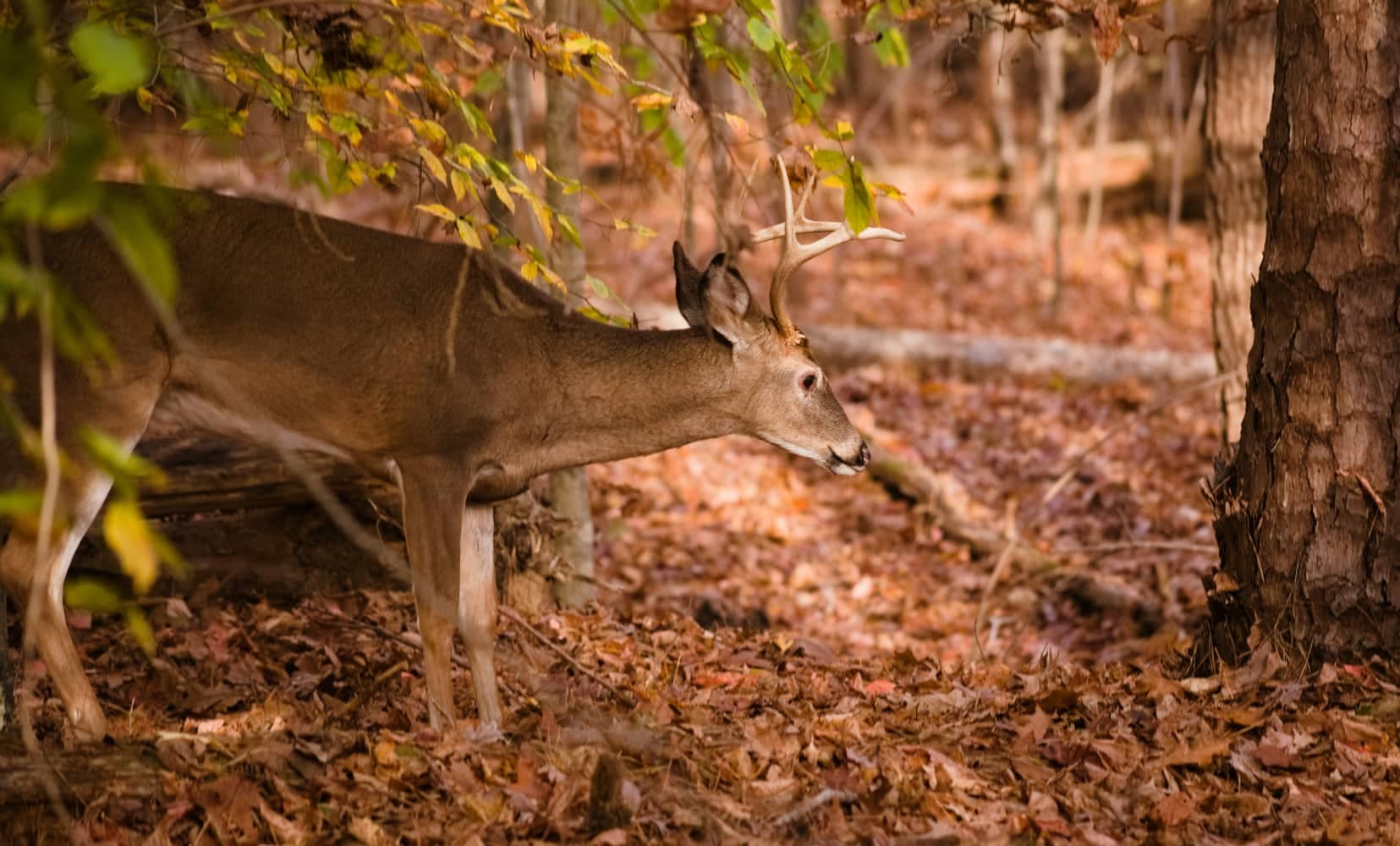
Every September, the same search spikes across the hunting world: “rut prediction,” “best days to hunt the rut,” “rutting moon this year.” It happens like clockwork, and this year is no different. Hunters are already circling calendar dates based on the traditional Rutting Moon and debating whether it means anything at all. Enter the whitetail rut prediction debate.
Here’s the uncomfortable truth for anyone building their entire season around a moon calendar: the moon doesn’t start the rut. But it’s not irrelevant either, and understanding the difference is what separates hunters guessing at dates from hunters actually in position when it matters.
Why “Whitetail Rut Prediction” Is Trending Right Now
Rut prediction content spikes every year in the weeks between archery openers and the traditional Rutting Moon, which lands in late October. Hunters are trying to plan vacation days months in advance, and the internet is full of competing theories such as moon phase, weather fronts, and barometric pressure. These all promise to pinpoint the exact week bucks will be on their feet.
Add in an unusual lunar year, with two supermoons falling inside the core of the season, and it’s easy to see why the debate is louder than usual this fall.
The Moon Phase Myth: What the Research Actually Shows
Decades of biological data on whitetail conception dates point to one dominant trigger for the rut: photoperiod, the shortening length of daylight as fall progresses. Because daylight follows the same pattern every year regardless of weather or lunar cycles, doe estrus timing is remarkably consistent for a given region year over year. Moon phase, cold fronts, and pressure systems can all influence how much deer move and when hunters see that movement. But these factors don’t move the actual breeding window.
That distinction matters. Breeding timing and visible deer movement are two different things. Conflating them is why so many hunters burn vacation days chasing a moon phase instead of a biological window that barely shifts from one year to the next.
Where the Moon Actually Does Matter
None of this means moon phase is useless; however, it just plays a different role than most hunters assume. Once the rut’s biological window arrives, lunar timing can shift when during the day deer move. A moon that stays bright and high overnight can push more chasing activity into the night, while a darker overnight sky tends to concentrate movement into legal shooting light. In other words, the moon doesn’t decide the week, but it can help decide the hour.
Regional Whitetail Rut Windows
While every property and every deer herd is a little different, long-term regional data gives a solid planning baseline for this year:
- Northern latitudes (roughly above the 40th parallel, including much of the Upper Midwest and the Northeast): peak breeding activity typically falls in the second week of November.
- Mid-latitude states (roughly the 35th to 40th parallel, including much of the Mid-Atlantic and lower Midwest): peak activity tends to run slightly earlier, in the first ten days of November.
- Pre-rut scraping and rub activity ramps up noticeably in the final week of October across most of this range, making late October a strong window for pattern-based stand selection even before peak chasing begins.
These windows shift only slightly year to year. That’s why photoperiod-based planning beats moon-based planning for choosing which week to take off work.
Looking to tackle the pre-rut for whitetails? Check out our article on Maximizing Pre-Rut Whitetail Hunting Success: 3 Keys for Archery Hunters.
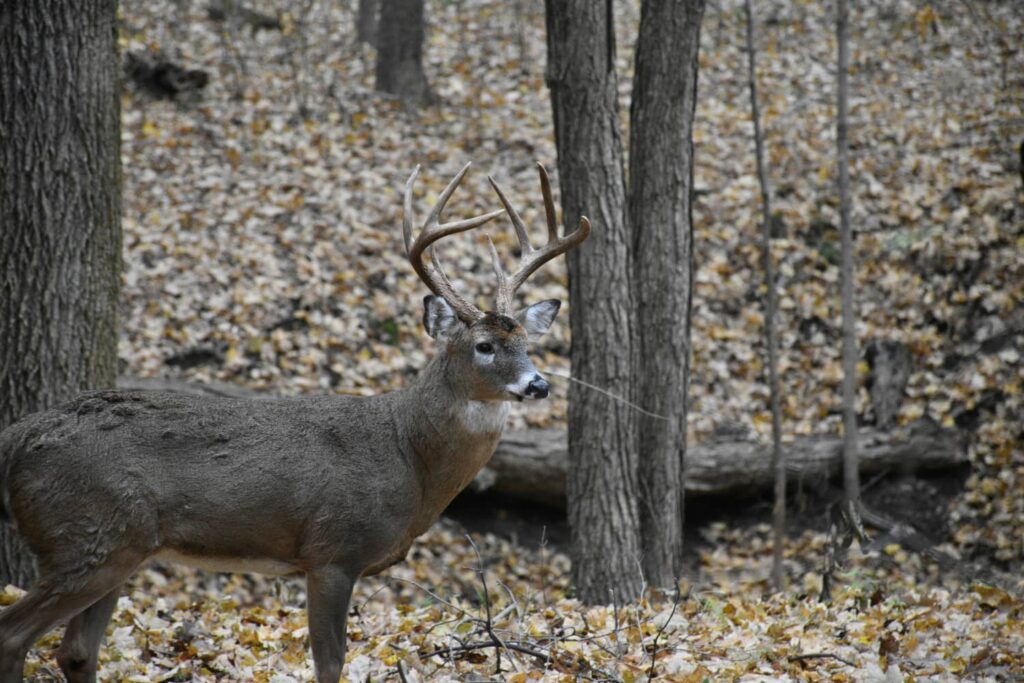
Building Your Own Whitetail Rut Prediction Instead of Borrowing One
Generic rut calendars are built on regional averages. These are useful as a starting point, but blind to what’s actually happening on your specific property. The bucks on your ground respond to your terrain, your food sources, and your hunting pressure, not just a national average.
This is exactly the gap TrophyTracks is built to close. Instead of relying on a one-size-fits-all rut calendar, TrophyTracks combines your own multi-year hunting journal. It includes your sightings, sign, stand performance, weather, with an AI-driven pattern prediction layered on top of known regional rut science. The result is a rut forecast that reflects what’s actually happened on your land in past seasons, not just what happened somewhere else in your latitude band. Hunters logging sits year over year in TrophyTracks build an increasingly accurate personal whitetail rut prediction model.
Whitetail Rut FAQ
When does the rut start? Pre-rut activity picks up in the final week of October across most of the whitetail’s range, with peak breeding generally falling in the first two weeks of November depending on latitude.
Does the moon affect the rut? The moon does not determine when the rut occurs but daylight length does. Moon phase can influence when during the day deer are visibly active once the rut window arrives.
What is the “Rutting Moon”? It’s the traditional name for the second full moon after the fall equinox, long associated with rut timing folklore, even though current research points to photoperiod as the real trigger.
What are the best days to hunt the rut? Based on regional patterns, the last week of October through the first two weeks of November offers the strongest window across most of the country, with northern latitudes trending slightly later than mid-latitude states.
The hunters who consistently connect during the rut aren’t the ones with the best moon app. They are the ones with the best data on their own ground. Build that data set now, and let it do the predicting for you. It is your personal whitetail rut prediction system.