

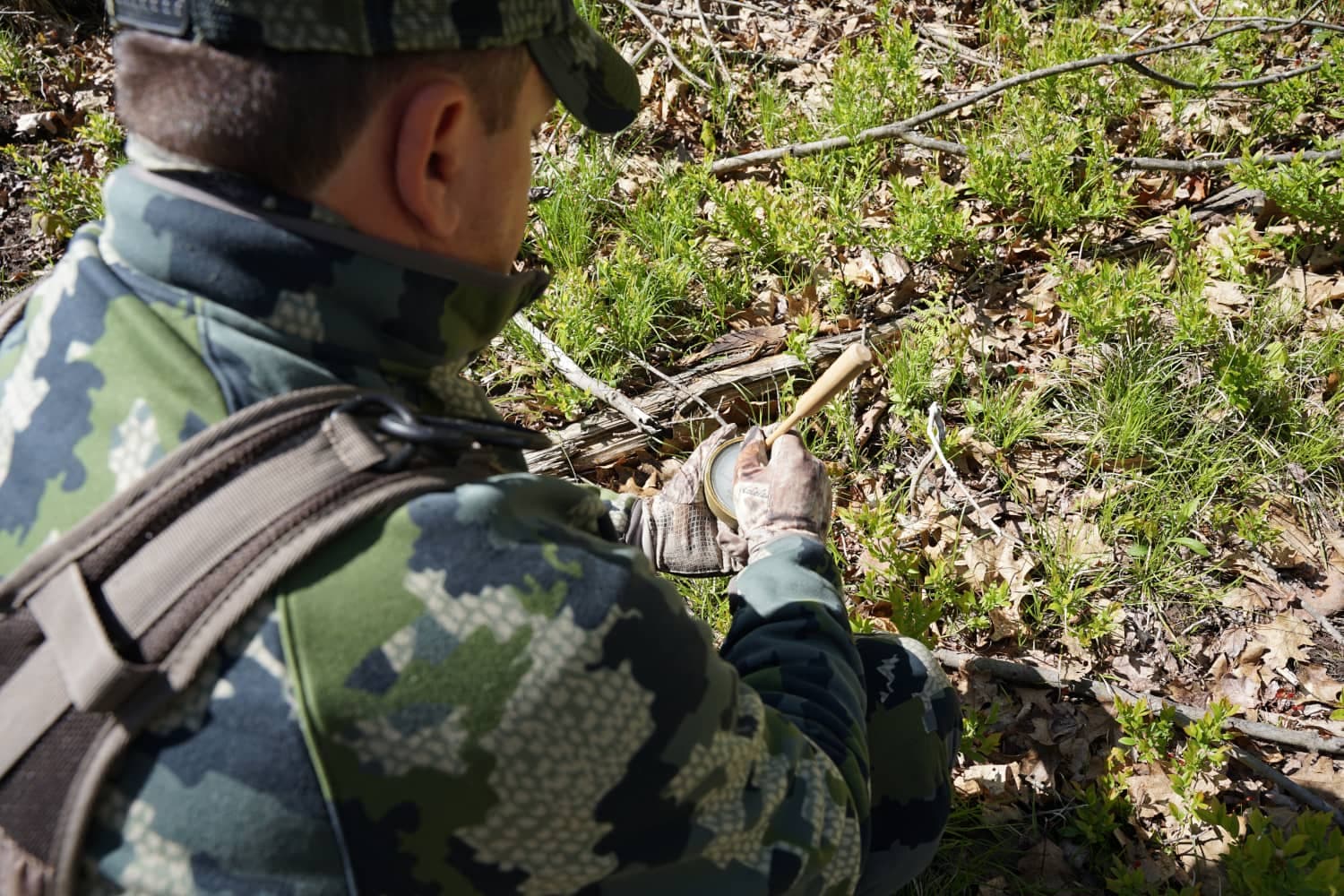
Spring turkey season is here. And if you’ve ever sat in the woods for three hours without hearing a single gobble, you already know the uncomfortable truth: when you hunt matters just as much as where you hunt.
PRO Tip: Use the TrophyTracks PRO 7-day forecast to see exactly how upcoming weather will impact game movement on your specific property.
Gobblers don’t punch a clock. But they do follow patterns. Wind, temperature, moon phase, and where they are in the breeding cycle all decide whether you’re going to hear shock gobbles rolling off the ridge at first light — or sit there in dead silence, wondering where everyone went.
Here’s how to figure it out.
The 4 Phases of Spring Turkey Season
A lot of hunters hunt the same way from opening day to the last day of the spring turkey season. That’s a problem. Turkey behavior shifts hard across four phases of the breeding cycle, and if your tactics don’t shift with it, you’re fighting the birds instead of hunting them.
Phase 1: Pre-Breeding (Early Season)
Birds are still loosely flocked. Toms are gobbling on the roost and strutting behind hens at flydown. Get aggressive early — call loud, set up close to the roost, be ready at first light. If you’re hunting the Deep South (Georgia, Mississippi, Florida), this window is already here or has passed. Midwest and Northern hunters, this is your opening-week playbook.
Phase 2: Peak Breeding
This is the turkey version of whitetail lockdown. Dominant toms are henned up most of the day, gobbling is spotty, and the classic 4 am roost setup often goes nowhere. The actual move here? Sleep in. Get to your spot by 9 am. After 9:30, hens start slipping off to lay eggs, and gobblers are suddenly very alone and interested. Most hunters have already packed up and gone to breakfast. That’s when you want to be settled in.
Phase 3: Nesting
Hens are on nests. Lonely toms are gobbling hard and strutting in open fields, trying to be seen by anyone. Patient setups in known strut zones are deadly right now. Cold-calling from field edges and travel corridors produces birds that felt impossible a week earlier.
Phase 4: Late Season
Breeding is wrapping up. There are maybe six hunters left in the county still trying to bag a turkey. Gobblers that wouldn’t look at you during peak breeding will now walk straight into soft clucks and purrs. If you’ve still got a tag, don’t quit. Some of the biggest toms of spring turkey season get killed in the last few days.
2026 Spring Turkey Season Dates by Region
Seasons vary a lot, but here’s where most states are sitting right now:
- Deep South (Mississippi, Georgia, Florida, South Carolina): March–April — open now or just opened
- Mid-South (Tennessee, Kentucky, Arkansas): April 3–May 10
- Midwest (Missouri, Iowa, Illinois, Ohio): mid-April through mid-May
- Northeast (Pennsylvania, New York, New England): late April through May/June
- Plains (Kansas, Nebraska, Texas): late March through May
- West (Colorado, Montana, Oregon): mid-April through May
If your season just opened or is a week out, you’re in Phase 1 territory. Start there.
Best Times to Hunt in Spring Turkey Season
Even when birds are active, the hour you’re in the woods changes everything. Three windows matter:
First light to 8 am is the classic roost hunt. Birds are gobbling, flying down, looking for hens. Get tight to where you heard them roosting the night before — within 150 yards if you can do it quietly.
9:30 am to noon is the most underrated window in turkey hunting, full stop. Hens have slipped off to lay eggs. Gobblers are alone and frustrated. A lot of good birds get killed at 10:47 am while other hunters are in the truck eating a gas station sandwich.
Afternoon works especially well late in the season when birds are near strut zones and food sources. Many states let you hunt until sunset in the spring turkey season. Use it.
What Your Journal Actually Gets You
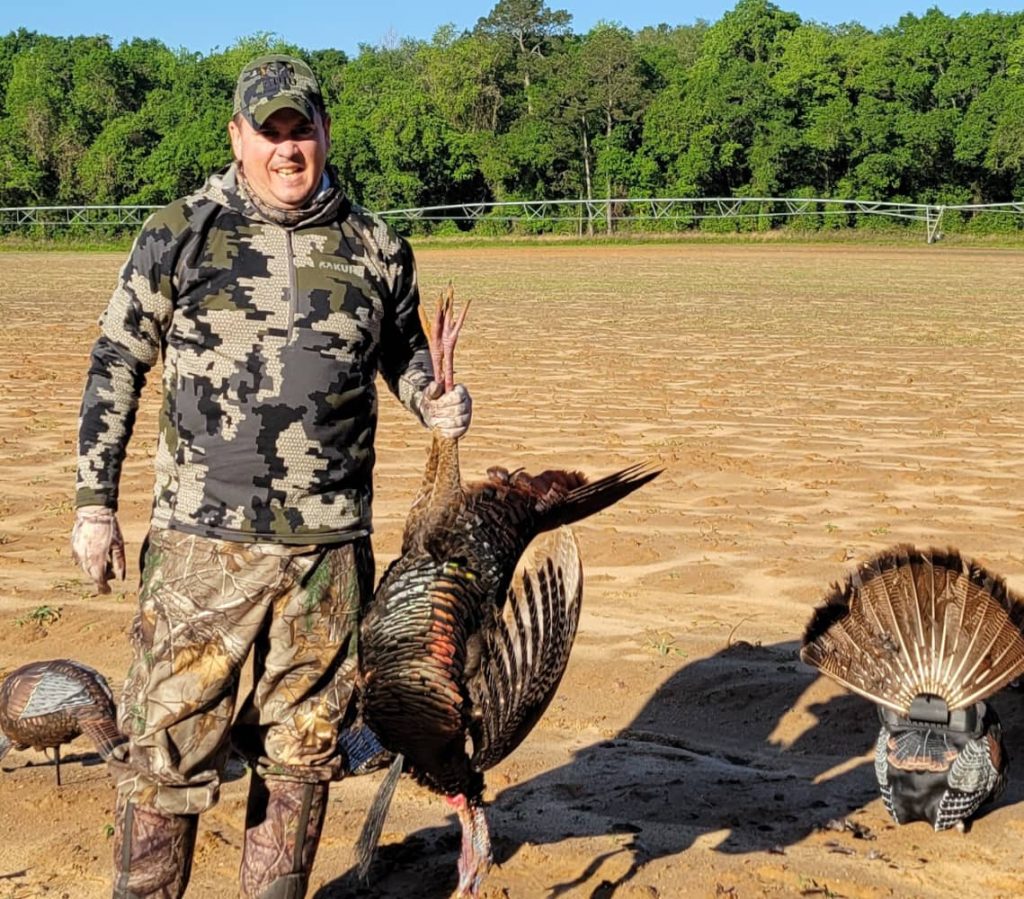
Every turkey observation you log in TrophyTracks — a gobble you heard at 6:15 am, a strutter you spotted in the field at 11 am, which wind direction had birds moving — goes into building a picture of your specific birds on your specific ground.
TrophyTracks’ TrophyPredict AI pulls that personal data together with real-time weather forecasts, wind direction, and moon phase to give you a 7-day hunt outlook tied to your actual locations. Not generic regional predictions. Your ridge. Your field. Your birds.
So instead of guessing whether Tuesday morning is worth the alarm at 4 am, you’ve got two seasons of your own data telling you yes or no.
Log the gobble. Note the wind. Mark where you saw him strutting at 10:30 am. Every entry sharpens the next hunt and builds better predictions.
A Few More Things Worth Knowing
Scout the evening before your hunt. Get to a high point, sit still, and listen at last light. Turkeys gobbling on the roost will tell you exactly where to set up in the morning. An hour of scouting beats three hours of wandering.
Go easy on the calls during peak breeding. A few soft yelps every 15–20 minutes is enough. Aggressive cutting can work, but more hunters blow birds out by overcalling than by calling too little. When in doubt, shut up and wait.
Pay attention to fronts. Gobbling often fires up in the hours before a cold front moves through. A clear, calm morning after a front passes is worth getting up for. TrophyTracks logs weather alongside your observations, so over time, you can see which conditions actually move birds on your property.
If you’ve been logging for a season or two, pull up your heat maps before you pick a setup. The spots where observations cluster are your strut zones. Set up there during Phase 3 and let the birds come to you.
Get After It
Spring turkey season is one of the best things going in the outdoors. The chess match, the calling, the moment a hung-up gobbler finally commits and starts closing the distance — it never gets old.
The hunters who fill tags year after year aren’t just lucky. They pay attention. They remember what worked and what didn’t. They hunt the phase, not just the season.
Download TrophyTracks free on iOS and Android and start keeping the kind of notes that actually make a difference come opening morning.