

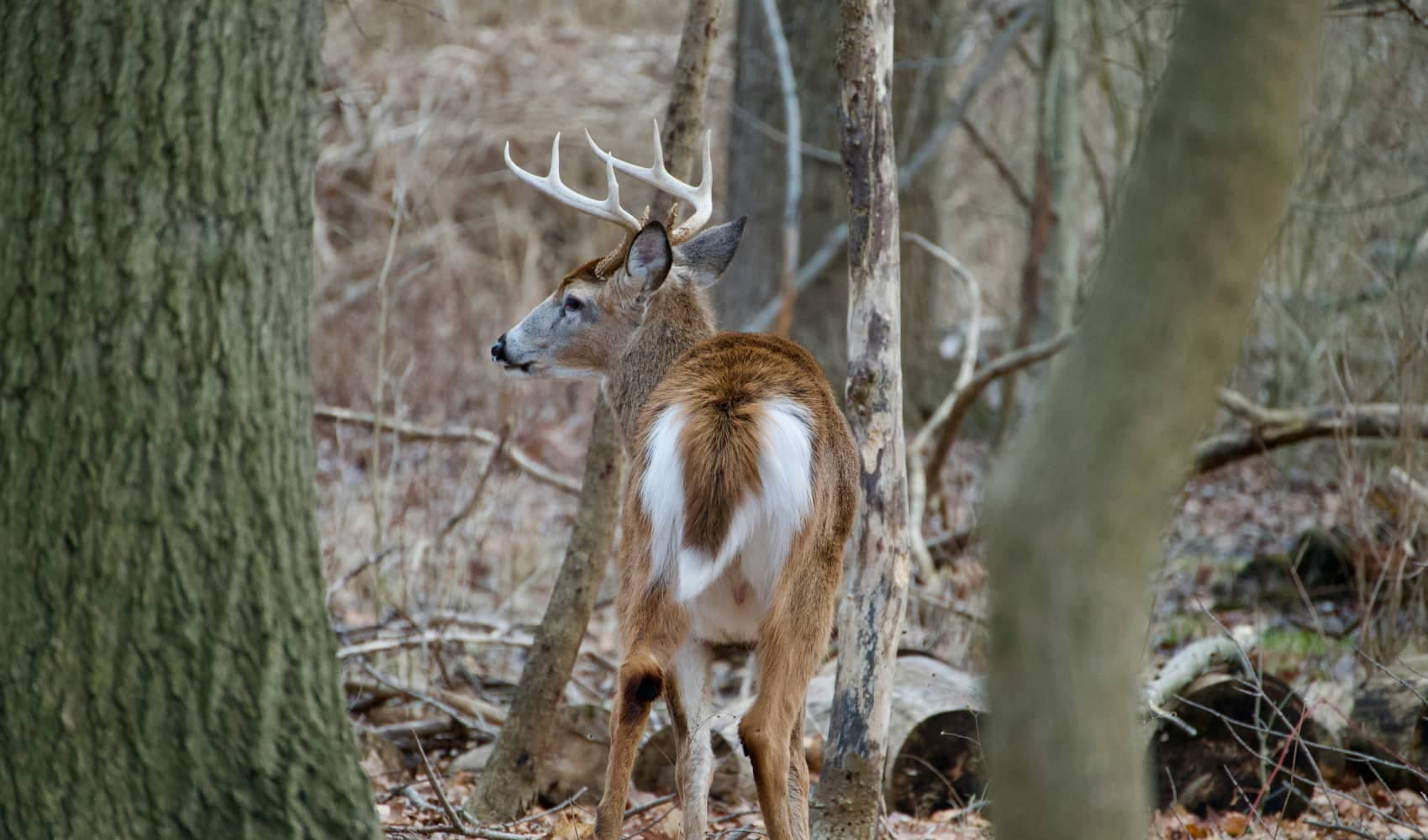
Most hunters collect far more information than they realize. Every trail camera photo, deer sighting, scouting trip, and hunt contains a piece of information about deer movement patterns. The problem is that most hunters don’t record enough of that information—or they record it without connecting the dots.
A trail camera photo showing a mature buck at 7:15 p.m. is useful.
But knowing that the same buck appeared at nearly the same time on three different evenings, traveled the same direction, and did so primarily when the wind was blowing from the northwest?
That’s a deer movement pattern.
Learning to recognize these patterns can turn trail camera pictures and hunting observations into a much more effective deer hunting strategy.
Why Deer Movement Patterns Matter
Whitetails don’t move randomly. Their movements are influenced by food, bedding, security cover, weather, wind, hunting pressure, and seasonal behavior.
Research from Mississippi State University has also found meaningful differences between individual bucks, including differences in movement and home-range behavior. Some bucks are relatively sedentary while others can be much more mobile.
That means there isn’t one universal formula for predicting where every buck will be.
The key is learning the specific patterns of the deer you’re hunting.
1. Record the Time of Day
One of the most valuable pieces of information in a trail camera photo is often overlooked:
The timestamp.
Don’t simply record that a buck was photographed. Record when he appeared.
Over time, you may discover that a mature buck consistently moves through a particular area during a narrow window of daylight.
For example:
- 6:42 p.m.
- 6:51 p.m.
- 6:47 p.m.
- 6:55 p.m.
One photograph doesn’t establish a pattern. A series of observations can.
Trail camera research and hunting experts have specifically emphasized tracking the timestamp of daylight buck photos to identify recurring movement patterns. This can help answer one of the most important questions in deer hunting:
When is this buck actually vulnerable during daylight?
2. Record Wind Direction
Wind direction is another piece of information that hunters frequently overlook.
Two trail camera photos may look almost identical, but the conditions behind them could be completely different.
Record:
- Wind direction
- Wind speed
- Temperature
- Weather conditions
- Time of day
Then compare those conditions with your buck’s movement. You may discover that your target buck consistently uses a particular travel route when the wind comes from a certain direction.
That information can become extremely valuable when deciding where and when to hunt.
3. Identify Deer Travel Routes
Deer movement isn’t simply about where a buck appears. It’s about how he gets there.
Mature bucks often travel between bedding areas, food sources, security cover, and other areas of their home range. Understanding these A-to-B travel routes can reveal the locations where your target buck is most likely to be intercepted.
When analyzing trail camera photos, ask:
Where did the buck come from?
Where was he going?
What terrain feature was he using?
Look for:
- Field edges
- Funnels
- Ridges
- Creek crossings
- Timber transitions
- Pinch points
- Bedding-to-food routes
A camera doesn’t just tell you where a deer was. It can help reveal the route he uses to get there.
4. Track Bedding Areas and Security Cover
Food gets most of the attention from hunters, but mature bucks also prioritize security.
A buck may feed in an agricultural field or food plot at night while spending his daylight hours in thick cover nearby.
Recording where deer consistently disappear can help identify potential bedding areas.
Don’t limit your observations to the food source. Look at the entire movement pattern:
Bedding → staging area → food → travel route → bedding
Understanding that relationship can be far more valuable than simply knowing where the buck feeds.
5. Record Changes in Food Sources
Deer movement patterns aren’t static.
Food sources change throughout the year, and those changes can redirect deer movement.
A buck that spends July and August around one food source may change his routine as crops mature, agricultural fields are harvested, or mast becomes available.
That’s why historical hunting data matters. Instead of asking, “Where are the deer today?” you’re trying to understand:
“How has their movement changed over time?”
That distinction can help you recognize a new pattern before it becomes obvious.
6. Record Hunting Pressure
Another hidden variable is hunting pressure.
Record when you hunted an area and what happened afterward.
Did deer movement decrease?
Are daylight pictures disappearing?
Did deer begin using a different trail?
Did mature bucks shift toward thicker cover?
Pressure can alter deer behavior, particularly for mature bucks. A hunting property that looks perfect on a map may produce very different movement patterns once hunters begin accessing it.
This is one reason keeping detailed records of your own hunting activity can be just as valuable as recording trail camera photos.
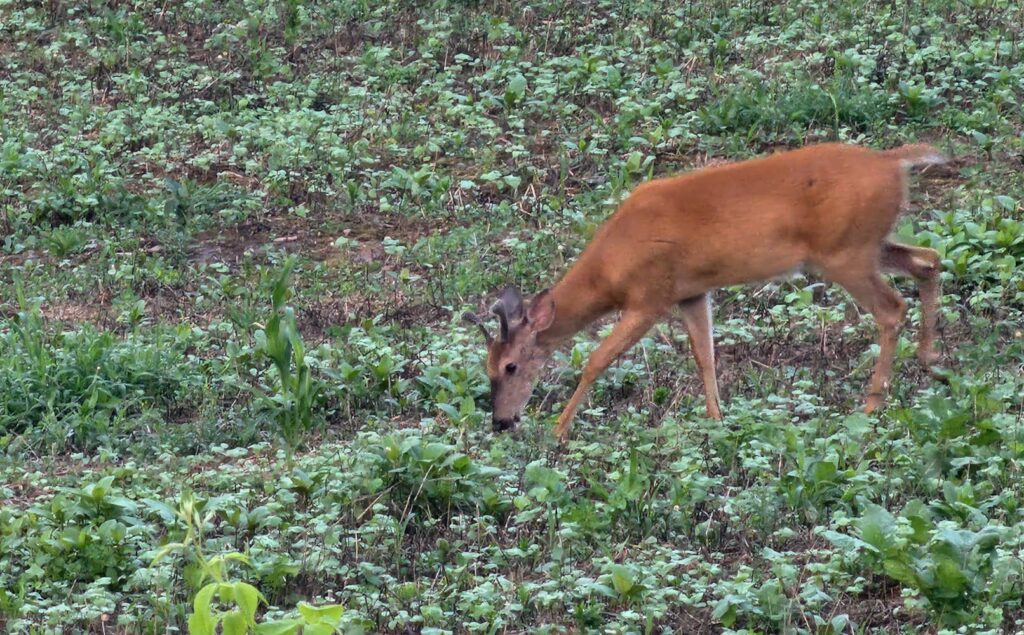
Turn Trail Camera Photos Into Hunting Data
The biggest mistake hunters make with trail cameras is treating them like photo albums.
The goal isn’t simply to collect pictures of bucks.
The goal is to collect information that helps you make decisions. It’s figuring out how deer movement changes in September.
For every important observation, consider recording:
- Date
- Time
- Location
- Wind direction
- Temperature
- Weather
- Deer behavior
- Direction of travel
- Nearby food source
- Nearby bedding area
- Hunting pressure
- Other deer activity
Over time, these observations can reveal patterns that aren’t obvious from individual photographs.
A digital hunting journal such as TrophyTracks can help hunters keep these observations organized instead of relying on memory, scattered notes, or thousands of unorganized trail camera photos.
Deer Movement Patterns Are More Valuable Than the Pictures
A mature buck photo might be exciting.
A mature buck photo with a timestamp, location, wind direction, travel direction, and historical context is useful.
That’s the difference between collecting pictures and collecting hunting data.
The more consistently you record these details, the easier it becomes to recognize recurring whitetail deer movement patterns.
And those patterns can help you make better decisions about where to scout, where to place a stand, when to hunt, and when to stay out of an area.
Start Recording What Other Hunters Ignore
You don’t need hundreds of trail cameras or years of experience to start identifying deer movement patterns.
Start with the information you already have.
Look through your trail camera history. Find your target buck. Record when and where he appeared. Add wind and weather information. Look for travel routes. Compare bedding and food sources.
Then continue recording.
Because the most valuable information in your hunting area may not be the biggest buck in your trail camera photos.
It may be the pattern hidden behind those photos.